We didn’t know we were preserving a culture—we were just living it


By Drew Rachal
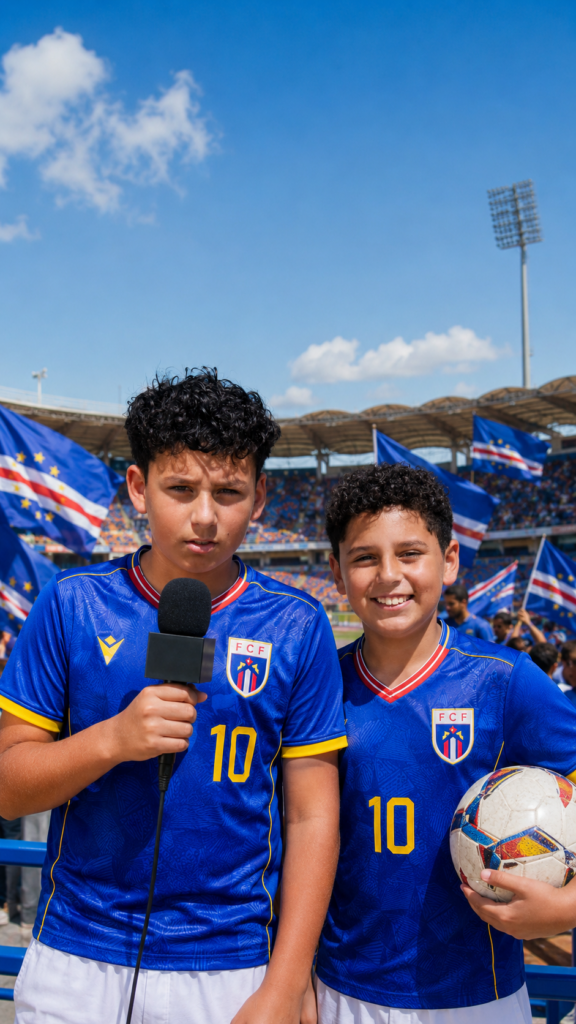
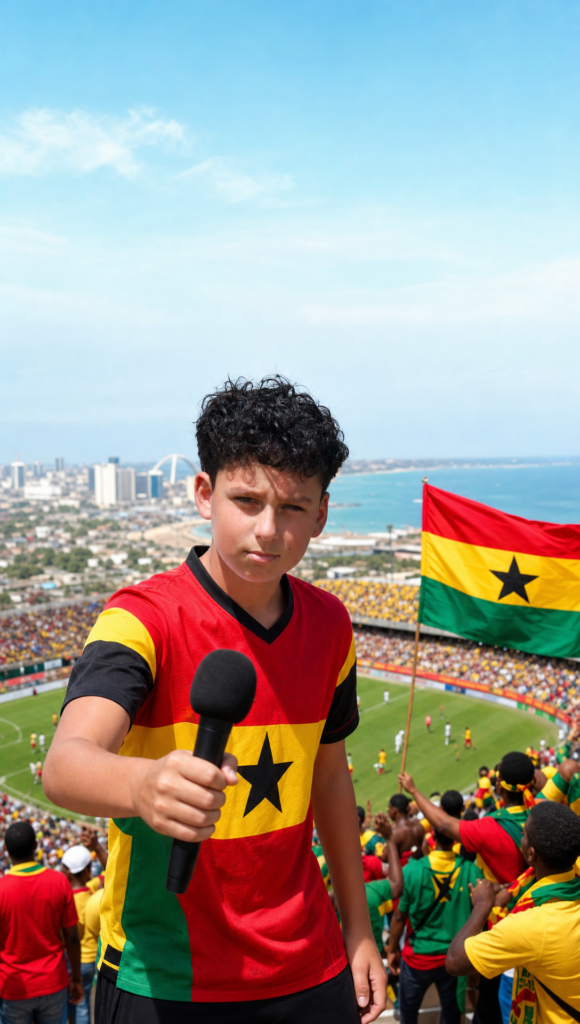
When most people watch the FIFA World Cup, they think about goals, saves, rivalries, and which country is going to win.
I think about all of that too.
But I also think about something else.
I think about culture.
Every team in the World Cup represents more than a jersey. They represent language, food, music, religion, family, history, and pride.
That is why I wanted to create this Bella Creole Life special feature: Creole Sports Facts With Drew: FIFA World Cup Edition.
This series looks at 11 countries connected to Louisiana Creole culture.
Some of these countries have their own Creole languages and traditions. Others influenced Louisiana Creole culture through African, French, Spanish, Portuguese, Catholic, Caribbean, and food traditions.
The point is simple:
Louisiana Creoles are part of a much bigger global story.
Let’s take the tour.
Haiti is one of the strongest Creole culture stories in the world.
In Haiti, the national language is Haitian Creole, also called Kreyòl Ayisyen. Nearly everybody in Haiti speaks it. French is also used, especially in formal settings such as education, government, and official business.
That is different from Louisiana, where Louisiana Creole is much less commonly spoken today.
But Haiti and Louisiana still share major connections.
Both cultures were shaped by African and French influences. Both developed French-based Creole languages. Both have strong food, music, faith, and family traditions.
Haitian food includes dishes such as griot, which is seasoned fried pork, and diri ak pwa, or rice and beans.
Louisiana Creole food also uses rice, beans, seafood, seasoning, and bold flavor to tell history through food.
Music is another connection. Haiti has kompa, rara, and mizik rasin. Louisiana Creoles helped shape jazz, zydeco, brass band music, and Creole folk traditions.
Haiti’s featured sports figure is Melchie Dumornay, one of Haiti’s top soccer stars. She represents Haitian pride, talent, and Creole identity on the global stage.
Haiti shows us that Creole culture is not small.
It is powerful.
Curaçao may be small, but its culture is huge.
One of the most important parts of Curaçao’s identity is Papiamentu, a Creole language influenced by Portuguese, Spanish, Dutch, African, and Caribbean cultures.
That makes Curaçao a great connection to Louisiana Creole culture.
Louisiana Creole culture also formed through blending. African, French, Spanish, Native American, and Caribbean influences all came together in Louisiana.
Curaçao’s food includes keshi yena, stews, pastechi, seafood, and island flavors.
Religion is mostly Christian, especially Catholic, which connects to Louisiana’s Catholic history.
Music is also important. Curaçao has tumba and tambú, especially during Carnival.
The biggest difference is that Papiamentu is still widely used in Curaçao, while Louisiana Creole is much less common today.
Curaçao’s featured sports figure is Andruw Jones, a Curaçao-born baseball legend.
He may be known for baseball rather than soccer, but this series is called Creole Sports Facts for a reason. Creole culture shows up across all sports.
Curaçao proves that a small island can have a world-class impact.
Cape Verde, also called Cabo Verde, is another powerful Creole culture country.
Cape Verdeans speak Kriolu, a Portuguese-based Creole language. Portuguese is the official language, but Kriolu is the language of daily life, family, music, and identity for many people.
That connects to Louisiana Creole culture because both cultures show how African and European influences came together to create something new.
Cape Verdean food is known for cachupa, a slow-cooked stew made with corn, beans, vegetables, and sometimes meat or fish.
That reminds me of Louisiana because Creole food is also built on slow cooking, flavor, family, and history.
Religion in Cape Verde is mostly Christian, especially Catholic, but African and island traditions are also part of the culture.
Music is one of Cape Verde’s strongest traditions. Morna, funaná, and coladeira carry stories of struggle, joy, longing, and pride.
Cape Verde’s featured sports figure is Nani, a Portuguese soccer star with Cape Verdean roots.
Cape Verde shows how Creole identity can travel across oceans and still stay strong.
France is one of the major root countries of Louisiana Creole culture.
The French language, Catholic traditions, food techniques, architecture, family names, and place names all helped shape Louisiana.
But Louisiana Creole culture is not just French.
It became Creole because French influence mixed with African, Spanish, Native American, and Caribbean cultures.
That is what makes Creole culture so unique.
France is known for breads, sauces, pastries, stews, and formal cooking traditions. Louisiana Creole food took some French cooking ideas and mixed them with local ingredients, Gulf Coast seafood, African foodways, Caribbean flavor, and Louisiana creativity.
Religion in France is different today because the country is more secular, but Catholic history still shaped French culture and Louisiana Creole traditions.
Music is different too. France has chanson and classical traditions, while Louisiana Creoles helped shape jazz, zydeco, and Creole folk music.
France’s featured sports figure is Lilian Thuram, a French soccer legend born in Guadeloupe. Guadeloupe has French Caribbean Creole culture, which connects France, the Caribbean, sports, and Creole identity.
France gave Louisiana some roots.
Louisiana Creoles turned those roots into something new.
When people talk about Louisiana Creole culture, they usually mention France first.
But Spain matters too.
Louisiana was under Spanish rule during part of its colonial history. Spanish influence helped shape Louisiana architecture, Catholic traditions, family names, food, and music.
That means Louisiana Creole culture is not only French.
It has Spanish flavor too.
Spain is famous for rice dishes such as paella. Louisiana has jambalaya, red beans and rice, seafood dishes, and Creole meals built around rice and seasoning.
They are not the same foods, but they show how rice, spice, and community meals connect cultures.
Spain is also known for flamenco, guitar, Catholic festivals, and strong family traditions.
Louisiana Creoles have jazz, zydeco, second-line traditions, Catholic roots, and community celebrations.
Spain’s featured sports figure is Ansu Fati, a Spanish international footballer born in Guinea-Bissau, a West African country where Kriyol is widely spoken. His journey from Guinea-Bissau to Spain connects football, migration, West Africa, and the broader Creole-speaking world.
Another important cultural connection is Jelly Roll Morton, a New Orleans Creole jazz pioneer who spoke about the “Spanish tinge” in jazz. His words showed how Spanish influence became part of the sound of New Orleans.
Spain reminds us that Creole culture is a mix.
Sometimes the influence is hidden in the sound, and sometimes it travels through people.
Senegal is one of the most important countries to study when talking about African influence in Louisiana Creole culture.
Many African influences in Louisiana came from West Africa, including the Senegambia region.
That influence shows up in food, rhythm, storytelling, spirituality, and community traditions.
Senegal is known for thieboudienne, a rice and fish dish with vegetables and seasoning.
Louisiana Creole culture also has rice dishes, seafood, stews, and meals that bring families together.
Music is a major connection. Senegal has sabar drumming and mbalax music. Louisiana Creole music carries African rhythm, call-and-response, and dance traditions.
Religion is one major difference. Senegal is mostly Muslim, while Louisiana Creoles have historically been strongly Catholic and Christian.
Languages are different too. Senegal has languages such as Wolof and French, while Louisiana Creole is French-based.
Senegal’s featured sports figure is Patrice Evra. Born in Dakar, Senegal, the former Manchester United defender represented the France national team. His mother, Juliette, was from Cape Verde, giving him a direct family connection to a predominantly Creole society shaped by African and Portuguese heritage.
Evra represented France internationally, earned 81 caps, and won multiple domestic trophies during his career.
Senegal reminds us that Creole culture has deep African roots.
The Democratic Republic of the Congo connects to Louisiana Creole culture through rhythm, music, dance, food, spirituality, and memory.
When people in Louisiana hear “Congo,” many think about Congo Square in New Orleans.
Congo Square was a place where African and African-descended people gathered, played music, danced, sold goods, and kept cultural traditions alive.
That helped shape New Orleans music and culture.
The Democratic Republic of the Congo has powerful music and dance traditions, including Congolese rumba, soukous, and ndombolo.
Those styles are different from Louisiana Creole music, but they share rhythm, movement, and community energy.
Food in Congo includes cassava, plantains, stews, greens, and regional dishes.
Louisiana Creole food also carries African food traditions through stews, greens, rice, seafood, and seasoning.
Religion in Congo is mostly Christian, with traditional African cultural practices still present in many communities.
The featured sports figure is Yoane Wissa, a French-born forward who represents the Democratic Republic of the Congo internationally. His career reflects the global reach of the French-speaking Congolese diaspora and the growing presence of Congolese talent on football’s world stage.
Congo reminds us that rhythm can carry history.
Côte d’Ivoire, also known as Ivory Coast, connects to Louisiana Creole culture through West Africa, French influence, food, music, and pride.
This country is not Creole in the same way Haiti, Curaçao, or Cape Verde are.
But it helps us understand the African and French-speaking worlds that connect to Creole history.
Ivorian food includes attiéké, made from cassava, and kedjenou, a slow-cooked chicken stew.
Louisiana Creole food also uses stews, seasoning, seafood, rice, and community meals.
Music in Côte d’Ivoire includes coupé-décalé and zouglou, styles filled with energy and movement.
Louisiana Creole music has zydeco, jazz, brass bands, and dance traditions that also bring people together.
Religion in Côte d’Ivoire includes Christianity, Islam, and traditional African beliefs. Louisiana Creole culture has historically been strongly Catholic and Christian.
Côte d’Ivoire’s featured sports figure is Didier Drogba, one of the greatest African soccer players. He proudly represented Côte d’Ivoire on the international stage and became a symbol of African excellence, leadership, and national pride.
Louisiana Creole musician Clifton Chenier offers another cultural comparison. Known as the King of Zydeco, he showed how African rhythm, French influence, blues, and Louisiana Creole culture could come together to create a powerful sound.
Côte d’Ivoire shows how African pride and French influence can create culture that moves the world.
Ghana connects to Louisiana Creole culture through the African diaspora, food, rhythm, storytelling, and community.
Ghana has many languages and cultures, including Akan, Twi, Ga, Ewe, and others.
Louisiana Creole culture also formed through many peoples and influences coming together.
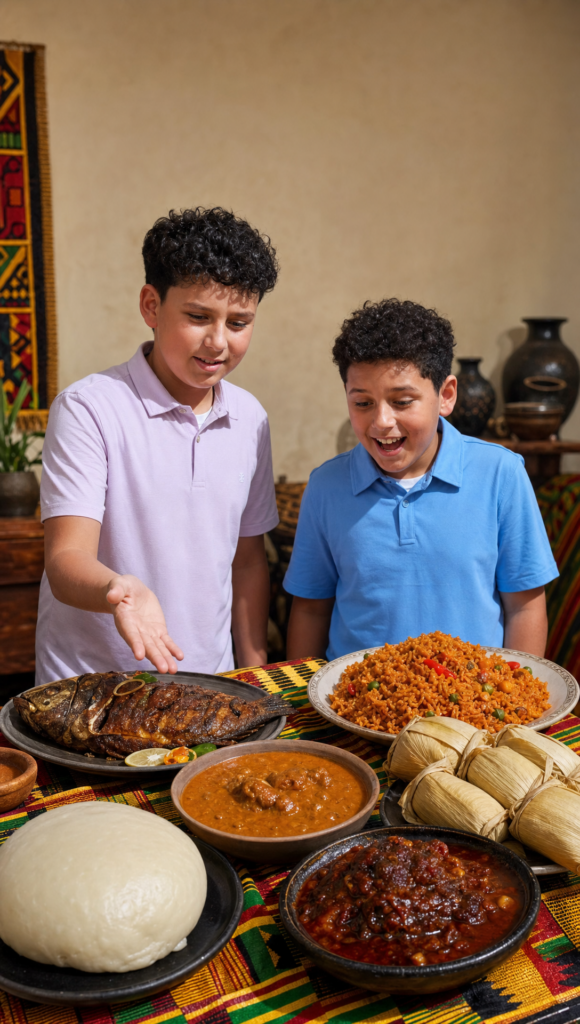
Food is one of the strongest connections. Ghana is known for fufu, groundnut soup, palm nut soup, kenkey, fish, and jollof rice.
Louisiana Creole food also has rice dishes, stews, seafood, greens, and meals that bring families together.
Music is another connection. Ghana has highlife, hiplife, Afrobeats, drumming, and dance traditions.
Louisiana Creoles have jazz, zydeco, second-line rhythms, and Creole folk music.
Religion in Ghana includes Christianity, Islam, and traditional African beliefs. Louisiana Creoles have historically had strong Catholic and Christian traditions, with African influence still present in the culture.
One important difference is colonial history. Ghana was shaped by British colonial rule, and English is its official language. Louisiana Creole culture was shaped more strongly by French and Spanish colonial influence.
Ghana’s featured sports figure is Asamoah Gyan, a Ghanaian World Cup legend who represents national pride, leadership, and African football achievement.
Louisiana Creole zydeco musician Terrance Simien provides another meaningful musical comparison. His work helps preserve Louisiana Creole music and carry it to audiences around the world.
Ghana reminds us that food, music, and family can carry history across oceans.
Portugal is another important root country in the global Creole story.
Portuguese influence helped shape Creole cultures around the world, especially in Cape Verde and parts of the Caribbean.
Cape Verdean Kriolu is Portuguese-based. Papiamentu in Curaçao also has strong Portuguese influence.
That means Portugal is not itself a Creole country, but it is connected to Creole cultures that formed across the Atlantic world.
Portuguese food includes seafood, bread, pastries, stews, and dishes such as bacalhau.
Cape Verdean and Caribbean Creole food cultures took Portuguese influence and blended it with African and island traditions.
Portugal is also known for fado music, which carries emotion, memory, longing, and storytelling.
That connects to Creole music because Creole songs also carry history, struggle, pride, and feeling.
Religion in Portugal has historically been strongly Catholic, which connects to Louisiana Creole and Cape Verdean traditions.
Portugal’s featured sports figure is Renato Sanches, a Portuguese soccer player with Cape Verdean family roots.
Portugal reminds us that languages travel.
When they travel, they can become part of new Creole cultures.
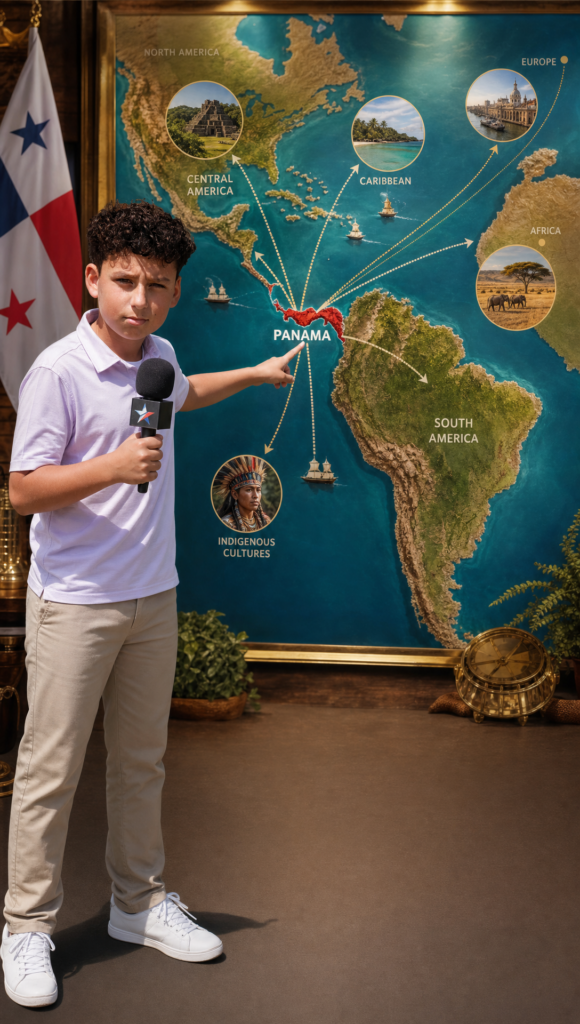
Panama is a great country to end with because it connects Central America, the Caribbean, Africa, Europe, and Indigenous cultures.
That sounds a lot like the Creole story.
In places such as Bocas del Toro, Afro-Antillean culture is strong. There is Caribbean-style food, music, language, and community identity. Some communities use Guari Guari, a local English-based Creole language.
Panamanian food includes seafood, coconut, rice and beans, plantains, and stews.
Louisiana Creole food also has seafood, rice, bold seasoning, and African-Caribbean influence.
Panama’s music includes calypso, reggae, soca, salsa, jazz, and tamborito.
Louisiana Creole culture also has jazz, zydeco, second-line rhythms, and music made for movement.
Religion in Panama is mostly Christian, especially Catholic, which connects to Louisiana’s Catholic history.
The difference is that Panama is mostly Spanish-speaking, while Louisiana Creole culture is French-based and rooted in Louisiana history.
Panama’s featured sports figure is Adalberto “Coco” Carrasquilla, a creative midfielder for the Panama national team. His skill, movement, and international career represent modern Panamanian football pride and the way culture travels through ports, migration, people, and sports.
Panamanian jazz pianist and bandleader Luis Russell offers another important cultural connection. He became part of the New Orleans jazz story, linking Panama’s port culture and musical traditions to Louisiana.
Panama proves that Creole-style culture can travel through ports, music, food, and people.
The World Cup is more than a tournament.
It is a map of cultures.
When I watch soccer, I do not just see countries competing.
I see languages, foods, music, religions, histories, and family stories.
That is what makes the Creole World Cup Tour so special.
Haiti, Curaçao, Cape Verde, France, Spain, Senegal, the Democratic Republic of the Congo, Côte d’Ivoire, Ghana, Portugal, and Panama all help tell part of the story.
Some are Creole-language cultures. Some are root countries. Some represent African diaspora connections. Others reflect Caribbean and port-city connections.
But all of them help us understand one big idea:
Louisiana Creoles are part of a much larger global Creole story.
So, the next time you watch the World Cup, do not just look at the scoreboard.
Look at the culture behind the jersey.
Follow Bella Creole Life on social media to catch my posts about these countries as we explore one country, one athlete, and one story at a time.