We didn’t know we were preserving a culture—we were just living it


There are seasons when grief does not arrive loudly. It does not knock. It does not announce itself. It comes quietly.
Through memory.
Through anniversaries.
Through names that rise in a casual conversation in the middle of an ordinary day.
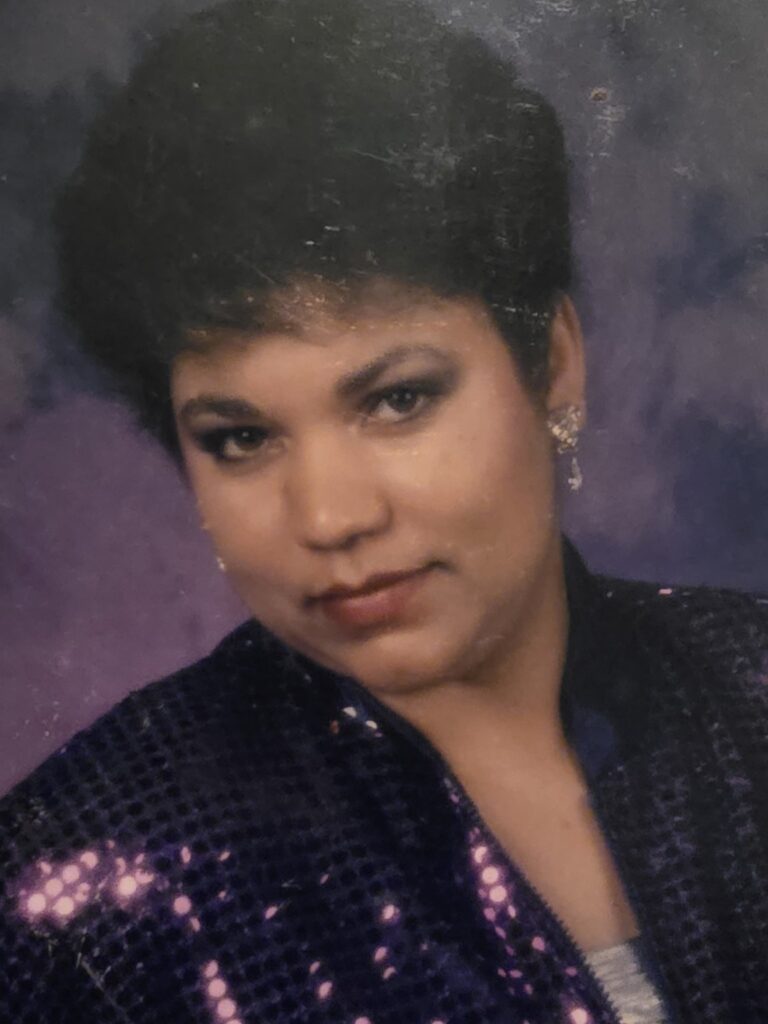
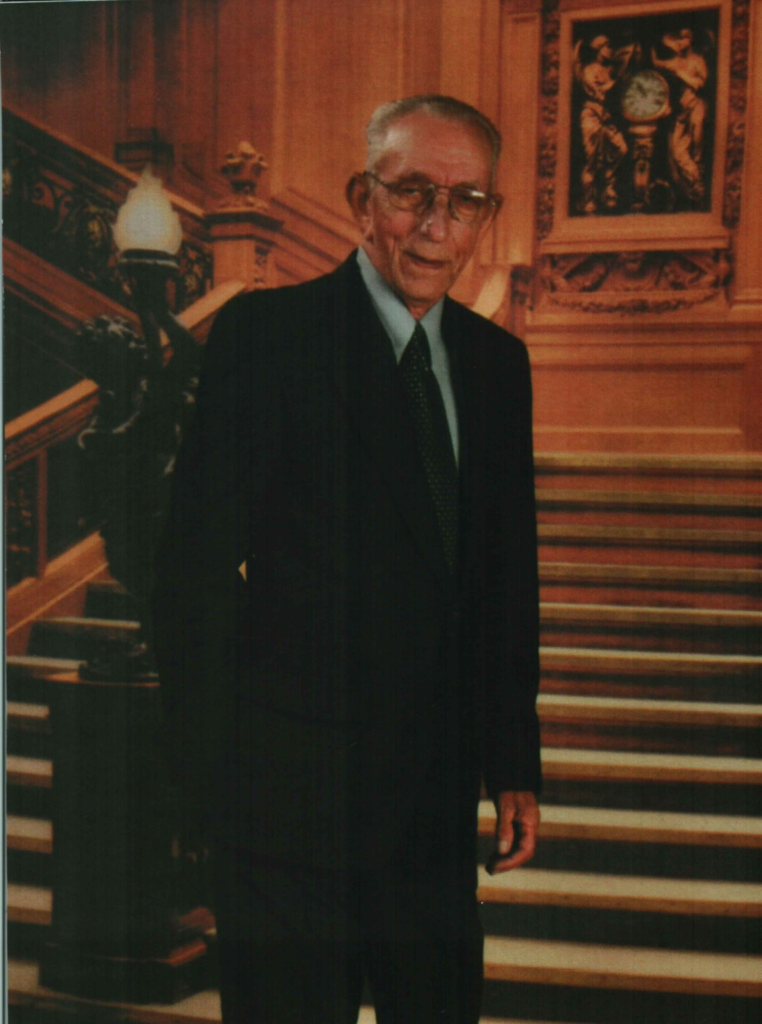
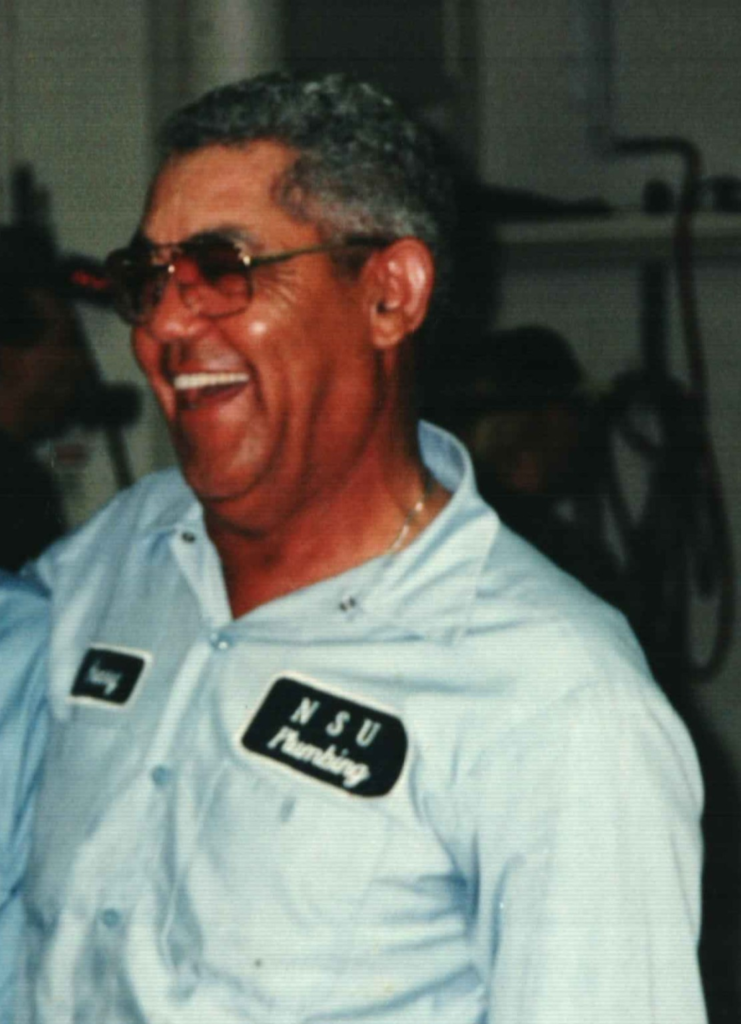
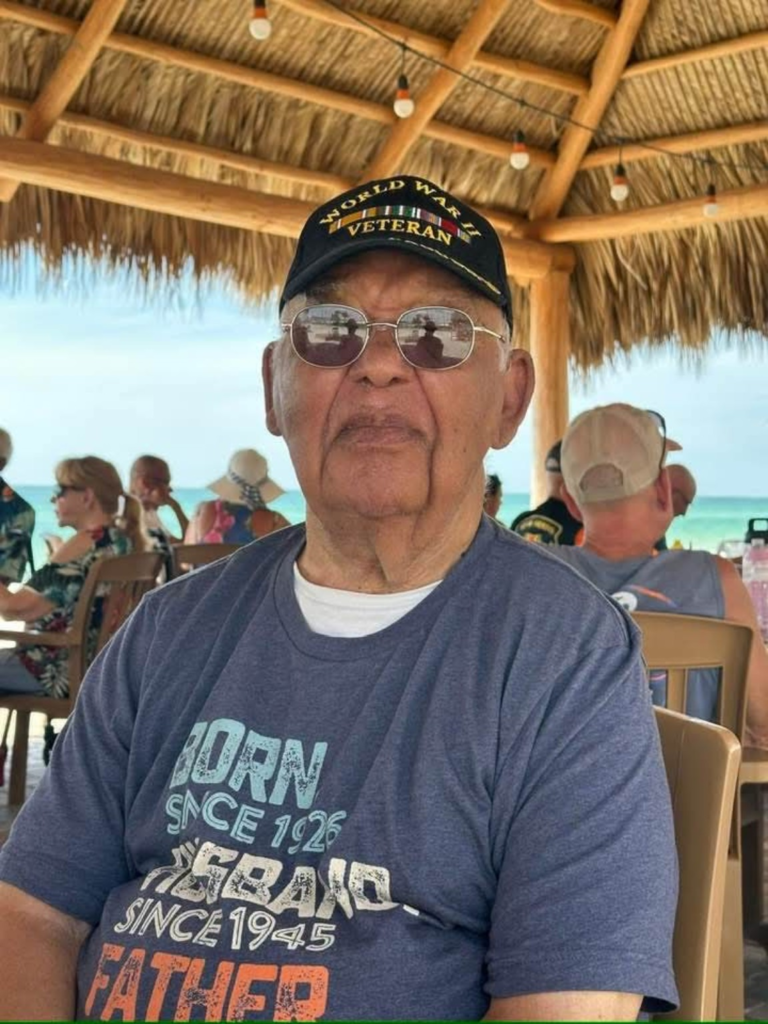
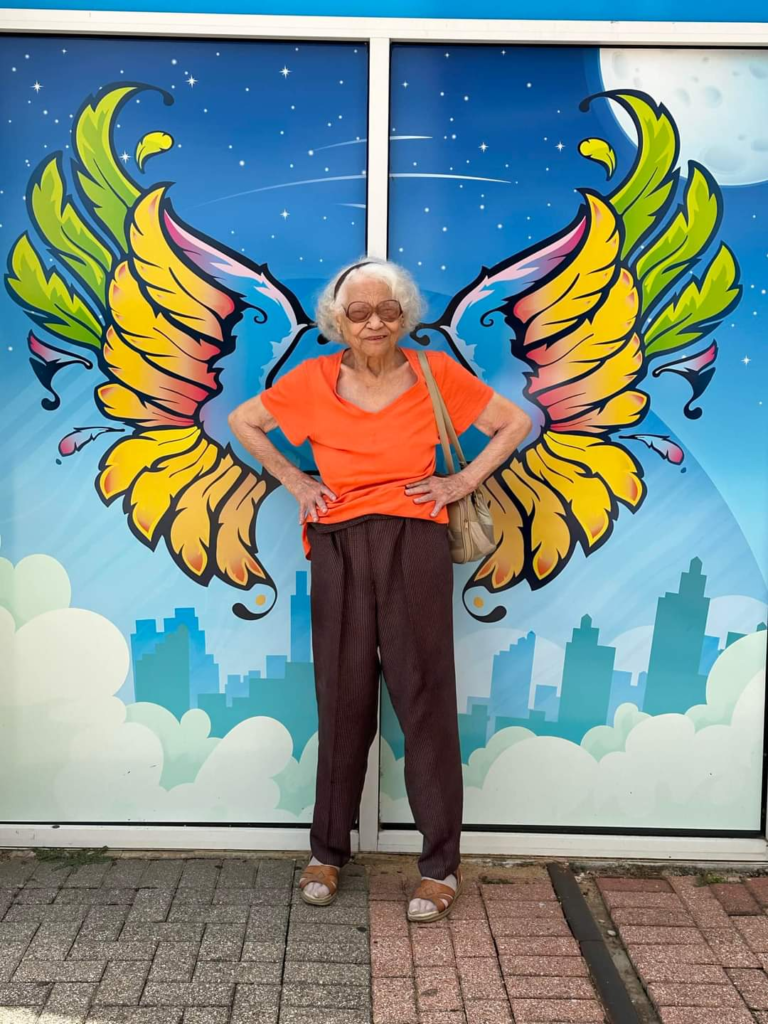
This has been one of those seasons for me. In recent months, I have found myself reflecting on the lives and legacies of people who shaped my faith, my values, and my understanding of community. The anniversaries of my Papa, Felix “T’fra” Monette, and my Aunt Felecia, alongside the recent losses of my Uncle Clarence “Man” Rachal, Sr., Mr. Charles Roque, and memories of my Grandma Carrie Dunn and Uncle Henry Rachal, Sr., pulled me into a deeper awareness of what it means to remember.
I have found myself moving through moments of joy; holidays spent with the people I love, laughter around familiar tables, shared meals and familiar places, only to feel a sudden tightening in my chest. A realization that someone should have been there. A wish that they could see what we were doing, experience what we were experiencing, or simply be present, the way they once were.
Grief didn’t interrupt the joy.
It braided itself through it.
It showed up in church.
Standing in familiar sanctuaries in Cloutierville and Isle Brevelle, I found myself looking at the faces around me and at the spaces where familiar faces used to be. In those moments, it felt as if a veil had been lifted. Past and present existed at the same time.
I could almost see earlier Christmases and holy days layered over the present moment. First Communions. Weddings. Funerals. Rosary nights. The soft hum of prayer, the flicker of candles, the smell of wax and incense. It was overwhelming at times, but also comforting. Like they were still there. Like they hadn’t fully left.
Grief came in being home.
In walking along Cane River.
In standing in places where life once felt fuller.
Creole culture was never abstract for me.
It lived in kitchens filled with conversation and shared work.
On porches where stories stretched past sunset.
In church halls where generations worked side by side.
The elders in my life were not just relatives.
They were teachers.
They taught through prayer, rosary beads sliding through caramel-colored fingers.
They taught through presence, kneeling together, singing familiar hymns, showing up again and again.
They taught through action, cooking for one another, working with on another in repairing homes, cutting wood for winter fires, cleaning up after storms.
They showed up with food when words weren’t needed.
They sat quietly when grief didn’t require explanation.
They carried the weight of community without ever naming it as such.
That is how culture survives.
One of the hardest realizations I’ve had came after an unexpected cognitive setback in 2024. I became painfully aware that some things I had been told, stories I assumed I would always remember, had faded.
I have hours of recordings from elders I still need to go through. And sometimes, listening feels like too much. Not because the work isn’t important, it is, but because the heart can only carry so much remembering at one time.
A few weeks ago, while listening to recordings of my Papa T’fra and Momo Cecile, I heard my Aunt Felecia’s laugh in the background.
It stopped me cold.
That project had to wait. I needed time to gather myself.
Moments like that remind me how fragile memory can be, and how urgent preservation truly is.
Our elders carry knowledge that does not live in books.
They hold stories passed by word of mouth. Explanations of who lived where. Why families moved. How traditions formed. What it meant to be Creole, not as a race, but as a cultural identity shaped by faith, land, language, work, and community.
That understanding, that we come from something unique and worth preserving, is what I fear losing most. Dilution happens quietly. Forgetting happens quietly.
And once something is gone, we often don’t realize its value until we are longing for it.
This is why Bella Creole Life exists.
It is an act of love.
An act of preservation.
And, in many ways, an act of healing.
Grief sharpened the urgency. Time is short. Tomorrow is not promised. And I made a promise to my Papa, to keep our stories alive in a way that worked for me, even if it looked different than how he did it.
Visit the Family page to explore tools for preserving stories, honoring elders, and documenting family history. You’ll find resources designed to help you start conversations, record memories, and keep names and stories from slipping away.
Let me say this to you softly, the way an auntie or cousin would, with a hand on your shoulder and love in her voice.
The people you love will not be here forever.
Treasure the moments.
Pay attention when they talk.
Ask the questions you think you’ll remember later.
Because later comes faster than we expect.
If you can, call a family member you haven’t talked to in a while. Reminisce. Laugh. Remember names you haven’t spoken in years. If they’re comfortable with it, record the conversation or write things down afterward.
Document what you can.
Don’t let them be forgotten.
Our people are our history.
And their stories deserve to live on.
Be gentle with yourself as you remember.
Honor your people while you still can.
And know that you belong here at Bella Creole Life.
With love,
Cici